Modern homes rely heavily on a safe and efficient electrical system to function properly. Central to this system is the electrical panel, the critical hub that connects the external power supply to a home’s internal electrical circuits. Maintaining and upgrading electrical panels is paramount for ensuring not just convenience, but also the safety of households. Over time, as technology evolves and energy demands increase, it becomes crucial for homeowners to consider whether their existing panels can handle the load. Being proactive about potential upgrades can prevent electrical fires and other hazards, ultimately enhancing peace of mind and home quality.
When Should a Homeowner Consider an Electrical Panel Upgrade?
Many homeowners may not realize their electrical panels are outdated until a serious issue arises. Signs such as frequent circuit breaker trips, flickering lights, or a burning smell could indicate that electrical panel upgrades are necessary. Such warning signs suggest that the panel might be overloaded, which can lead to overheating and increase the risk of a fire. Additionally, if you’re planning to add new appliances or a home renovation, it’s crucial to evaluate if your current panel can accommodate the increased electrical demand. Homeowners should also note that homes built more than 20 years ago are more likely to need an upgrade to handle today’s energy-consuming appliances safely.
An electrical panel upgrade becomes necessary under certain conditions that compromise its efficiency and safety. For example, expanding your home or integrating smart home technologies can strain old electrical panels. Upgrading in these scenarios not only meets increased power demands but also ensures that safety standards are upheld. It’s also wise to upgrade if your home still uses a fuse box, as circuit breaker panels offer better safety features and load management. Reviewing these factors regularly can help avert potential hazards and maintain the home’s electrical integrity.
The decision to upgrade should also be driven by age and functionality. If your panel is showing signs of wear, such as rust or corrosion, or simply doesn’t have the capacity to handle modern energy needs, it might be time for an assessment. Professional electricians can evaluate your panel’s condition and recommend whether a replacement is essential. Being attentive to these signs and acting swiftly can prevent costly damage. The overall goal is to maintain a home that supports all your electrical needs safely and efficiently.
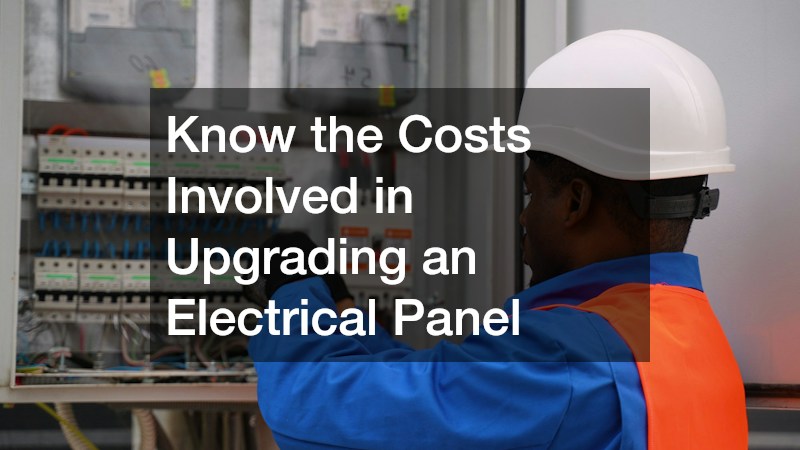
What Are the Costs Involved in Upgrading an Electrical Panel?
The cost of upgrading an electrical panel can vary widely depending on several factors. On average, homeowners might expect to spend between $1,500 to $3,000 for a complete panel upgrade. This cost includes the price of the new panel, labor, and any necessary rewiring that might need to be done. It’s important for homeowners to be prepared for these expenses as they discuss their options with an electrician. Sometimes unexpected costs can arise if additional electrical issues are uncovered during the installation process.
While the initial cost might seem high, homeowners should consider the upgrade as a crucial investment in their home’s safety. An upgraded panel not only reduces fire hazards but can also lower utility bills by improving energy efficiency. Moreover, ensuring your electrical setup meets current codes might also enhance your home’s market value. Financial consideration should also take into account potential savings from hazards avoided, which could be far more costly in the long run. Balancing upfront costs with long-term benefits often justifies the investment.
Some regions offer financial incentives or rebates for electrical upgrades, which can help offset the cost. These programs are typically available through local utility companies or state energy initiatives aimed at energy conservation. Homeowners should research available programs to take advantage of any savings. Additionally, an electrical upgrade might qualify for certain types of insurance discounts, further enhancing the investment’s value. Exploring all financial avenues can provide both short-term benefits and long-term peace of mind.
How to Choose the Right Electrical Panel?
Choosing the correct electrical panel requires careful consideration of the home’s current and future electrical demands. Homeowners should start by evaluating their daily energy consumption and any planned additions that might increase this usage. Consulting with a licensed electrician can provide clarity on whether a 100 amp, 150 amp, or even a 200 amp panel would be most suitable for your current needs. An expert can assess peak energy usage times and recommend a panel that will efficiently meet those needs without overloading. It’s vital that the new panel can handle both present and foreseeable future demands efficiently.
Another crucial factor in choosing the right panel is understanding the available brands and their offerings. Reputable brands not only offer durable and reliable panels but also provide good warranty terms. Compatibility with existing wiring infrastructure plays a role in the decision, as mismatched systems can lead to inefficiencies or require costly additional alterations. Consider reading consumer reviews and seeking electrician recommendations to make an informed choice. Balancing quality, capacity, and compatibility with cost ensures a sound investment in your home’s electrical future.
Homeowners should also consider safety features and certifications when deciding on a new panel. Modern panels often come with advanced features like circuit breakers with ground fault and arc fault protection. These features enhance safety by quickly shutting off electrical flow during irregular surges. Seeking panels that are UL listed or have comparable certifications ensures the product has been tested to meet specific safety standards. Prioritizing security options not only protects your household but also complies with building codes and insurance requirements.
Do I Need a Professional for an Electrical Panel Upgrade?
Upgrading an electrical panel is a complex process that requires technical expertise and experience. Hiring a professional electrician is highly recommended to ensure that the work is completed to code and safely. Attempting to perform an upgrade without professional help can lead to serious risks, including electrical fires or severe injury. Professionals possess the necessary knowledge to navigate potential challenges such as rewiring older homes. They also have access to specialized tools and quality parts, which are crucial for a safe and proper installation.
Professional electricians can help assess your current electrical system and suggest the optimal solutions based on their evaluation. They ensure that every aspect, from permits to post-installation inspections, is handled correctly. These services provide a complete assurance of safety and legality that isn’t guaranteed when performing a DIY project. Additionally, most professional services include a warranty on the work performed, giving homeowners peace of mind. The expertise they bring to the table turns an otherwise daunting task into a manageable process.
It’s worth investing in professional services not just for safety, but also for maximizing efficiency. Licensed electricians are familiar with the latest technology and can recommend upgrades that align with your lifestyle needs. They have the skills to optimize your system for current and future electrical demands seamlessly. Furthermore, using a professional ensures compliance with local regulations, which is critical for keeping home insurance policies valid. In essence, enlisting a professional for panel upgrades guarantees safety, efficiency, and compliance with industry standards.
What Are the Benefits of Upgrading an Electrical Panel?
Upgrading an electrical panel can significantly enhance the overall safety of your home. An updated panel reduces the risk of electrical fires and other hazards by ensuring your home’s electrical system can handle the load from modern appliances. With advancements in technology, newer panels offer improved safety features such as breakers that shut off power more reliably when electrical overloads or faults occur. This proactive step can prevent accidents and protect both property and personal safety. Additionally, a new panel can remedy issues from old out-of-code systems, bringing your home up to the latest safety compliance standards.
Another significant benefit is the improvement in energy efficiency that accompanies an electrical panel upgrade. New panels allow for a more efficient distribution of electricity, which can reduce energy waste and lower monthly utility bills. They also accommodate the integration of energy-efficient appliances and renewable energy sources effectively. By optimizing your home’s electrical infrastructure, such upgrades contribute not only to personal savings but also to environmental conservation. Long term, the cumulative effect of these savings can offset the initial investment in an upgraded panel.
Finally, upgrading an electrical panel can increase the value and attractiveness of your property. A modern electrical system is a significant selling point for homebuyers, who might be willing to pay a premium for a house with an upgraded panel. This upgrade demonstrates a commitment to maintaining the property and ensures potential buyers that there will be fewer unexpected electrical issues. Enhanced home value and marketability can make the investment in an electrical panel upgrade well worth the upfront cost. In today’s competitive real estate market, having a modern electrical system positions your property favorably.
As we have explored, maintaining and upgrading electrical panels is critical for home safety, efficiency, and overall quality. By understanding when to consider an upgrade, managing costs effectively, and choosing the right products, homeowners can significantly improve their living environment. It’s vital to rely on professionals for such upgrades to adhere to safety and legal standards while reaping the comprehensive benefits. Modern panels provide enhanced safety features, ensure efficient energy use, and boost property value, making them a wise investment. Homeowners should remain vigilant and proactive in ensuring their electrical systems are up to date, prioritizing safety and efficiency above all.